- Home
- Service
- Pay Per Click Service
- Parel, Mumbai
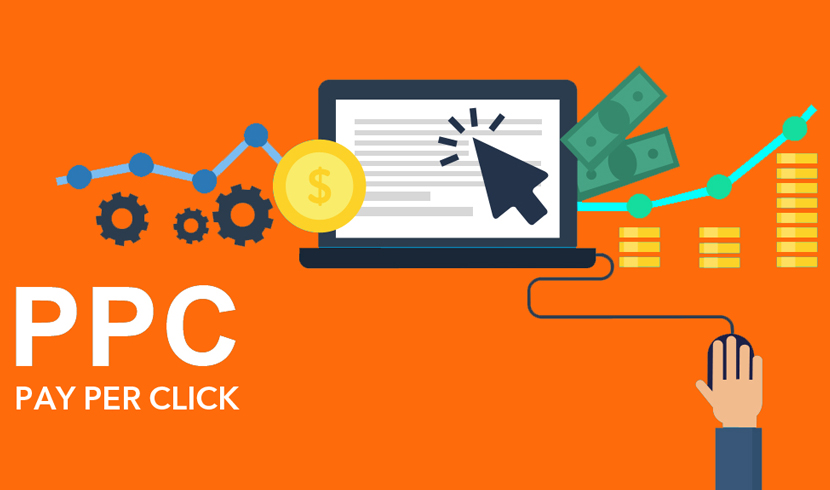
Pay Per Click Service in Parel, Mumbai
When a team in Parel, Mumbai evaluates Pay Per Click Service, the useful question is not how many features can fit on a page. It is whether the service can plan, deliver and review permission-aware customer communication or digital acquisition activity through the selected channel. The answer depends on the customer's process, source information and people, so discovery should expose those details before design or configuration begins.
A Useful Context for the Local Area
A realistic Parel, Mumbai use case may involve owners, operational users, reviewers and authorised administrators. Their work could move through enquiries, records, approvals, delivery status and reporting, with each hand-off requiring an owner and an understandable status. This is a conditional example, not a claim that RP Infotech has already delivered the same project locally.
The Business Purpose Behind the Requirement
The core idea is straightforward: use Pay Per Click Service to plan, deliver and review permission-aware customer communication or digital acquisition activity through the selected channel. The implementation becomes reliable only when terminology, ownership and exception handling are explicit. Those details turn a broad service label into something users can test.
Risks, Access and Operating Responsibility
The proposal should distinguish application controls from operating controls. Issues such as unverified consent, misleading copy, frequency fatigue, blocked sender assets, incorrect attribution and dependence on channel or platform policies may cross that boundary. Clear responsibility and escalation notes are more credible than a guarantee that no error or disruption can occur.
Inputs That Shape the Scope
Before confirming modules, the customer should assemble audience rules, consent evidence, approved templates or creative, sender configuration, campaign schedule, landing journey and outcome tracking. Reviewing these items together reveals missing decisions and conflicting terminology. It also prevents a visual mock-up from being mistaken for a complete operational specification.
Practical User Journeys to Map
For general business users, useful scenarios can include a new request, missing information, reassignment, cancellation or correction, and management review. The exact set must come from the customer; examples guide discovery but should not be presented as universal rules.
Turning the idea into test evidence
The customer should confirm what a successful result looks like and what evidence remains after an exception. This gives Pay Per Click Service a reviewable purpose rather than treating completion as the presence of a screen or feature.
Useful Benefits With Realistic Expectations
The practical benefit is consistency at a decision point: authorised users see the same status, understand the next action and can investigate a recorded exception. Benefits still depend on accurate inputs, timely use and accountable ownership within the customer organisation.
Roles and Decisions During Implementation
A controlled delivery can move through discovery, agreed scope, prototype or configuration, data preparation, role-based testing and launch review. The customer should approve decisions at defined points. Phasing dependent features after the core journey reduces avoidable rework.
Making responsibility visible
Use an anonymised example and follow it from initial input to final decision. If an authorised user cannot explain the status and next action, the Parel, Mumbai workflow needs clarification before approval.
RP Infotech's Approach to a Defined Brief
A responsible provider should be clear about assumptions. RP Infotech can document the proposed workflow, customer responsibilities, third-party constraints and change process so the Parel, Mumbai buyer has a practical basis for evaluation before commitment.
Relevant Services to Review Next
Depending on the agreed workflow, the customer may also compare the connected role of SMPP Connectivity Service, compare the connected role of Whatsapp Marketing Service or consider Bulk SMS Service. These links point to verified active RP Infotech service pages; they are planning references, not a recommendation to add unrelated scope.
Common Planning Questions
Which acceptance checks matter for Pay Per Click Service in a Parel, Mumbai project?
Use representative roles and test audience validation, test delivery, opt-out handling, failed delivery, conversion-path review and a post-campaign report. Review the final output and recorded history, not only whether the first screen accepts data. Record this in the Parel, Mumbai brief.
How are changes to the Parel, Mumbai Pay Per Click Service project handled after scope approval?
Compare the request with the approved workflow and test cases, then assess its effect on effort, data, integrations and existing behaviour. This distinguishes a correction from a new capability. Test it with the Parel, Mumbai team.
Who from a Parel, Mumbai organisation should join the Pay Per Click Service discovery meeting?
Include the process owner, representative users, the person responsible for data or access, and a decision-maker who can resolve scope questions. Add a technical contact when an external system is involved. Test it with the Parel, Mumbai team.
How should a Parel, Mumbai customer share data for Pay Per Click Service discovery?
Use the minimum information needed and anonymise examples wherever possible. Credentials or live personal data should not be placed in ordinary requirement documents or messages. Confirm it during the Pay Per Click Service review.
How to Get Started
Share the current workflow, sample inputs and essential outputs to begin a focused conversation. The next step is a requirement review for Pay Per Click Service, followed by documented scope and dependencies.
 Get in Touch